The Role of 3D Design in Exhibition Booth Planning

3D design has transformed how exhibitors conceptualize, plan, and execute booth layouts. Instead of relying on sketches or guesswork, brands now use advanced 3D visualization tools to create realistic booth models long before construction begins. This modern approach enhances accuracy, boosts creativity, and ensures that exhibitors make well-informed decisions at every stage of booth planning. Here’s how 3D design plays a vital role in shaping successful exhibition booths.
Realistic Visualization for Better Decision-Making
One of the biggest advantages of 3D design is the ability to visualize the booth exactly as it will appear on the exhibition floor. High-resolution renders show colors, materials, lighting, textures, product placement, and branding details in a lifelike manner.
This clarity helps exhibitors identify what works and what doesn’t, allowing them to make confident decisions early. Instead of imagining the final setup, clients can see a true-to-life preview and fine-tune the design based on real expectations.
Efficient Space Planning and Layout Optimization
3D design ensures that every inch of booth space is used effectively. It allows designers to experiment with multiple layouts, furniture placements, visitor flow patterns, and structural elements without physically building anything.
By simulating footfall movement, product display zones, storage areas, and interactive sections, 3D models help avoid overcrowding or wasted space. As a result, the final booth is not only visually appealing but also functional, spacious, and comfortable for visitors.
Faster Collaboration and Fewer Errors During Fabrication
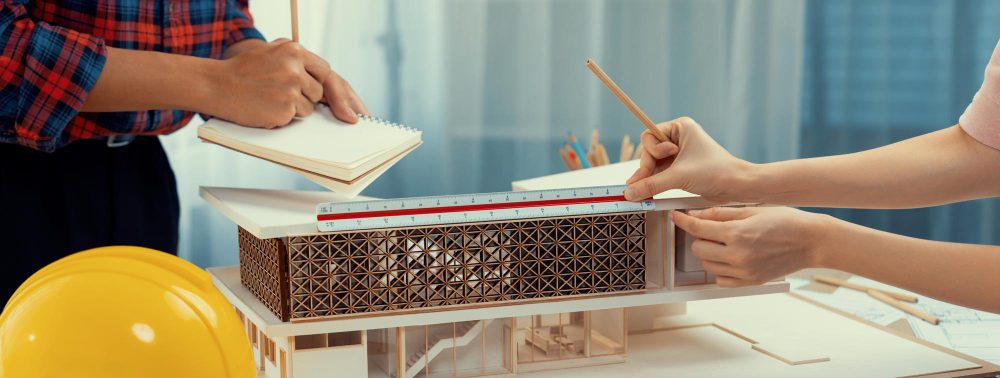
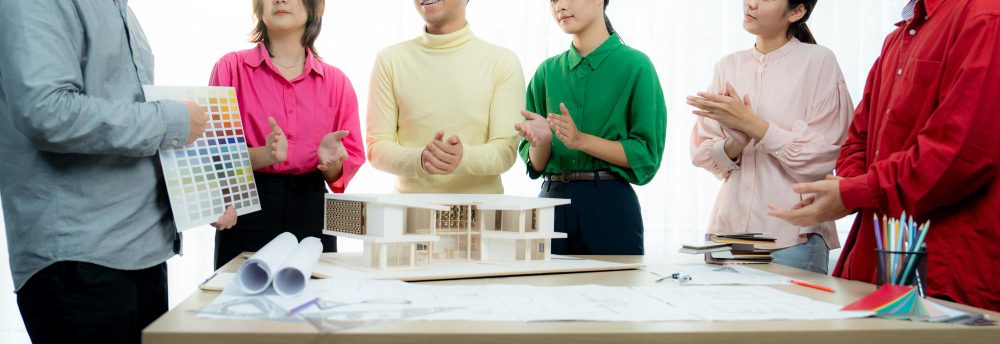
3D design serves as a bridge between exhibitors, designers, and fabrication teams. Detailed 3D models reduce misunderstandings and ensure everyone is aligned on dimensions, materials, lighting plans, and construction details.
Fabricators can work with precise measurements, reducing the risk of errors, rework, or last-minute changes. This streamlined coordination saves time, lowers costs, and ensures the final booth matches the approved design perfectly.
Conclusion
3D design has become essential in modern exhibition booth planning. It enhances visualization, improves space utilization, and ensures smooth coordination between design and fabrication teams. By adopting 3D tools, exhibitors can bring their ideas to life with accuracy, creativity, and confidence. Ultimately, 3D design plays a key role in delivering booths that are visually striking, highly functional, and memorable for every visitor.


Post Comment