Trade Show Budgeting: Where to Save and Where to Spend
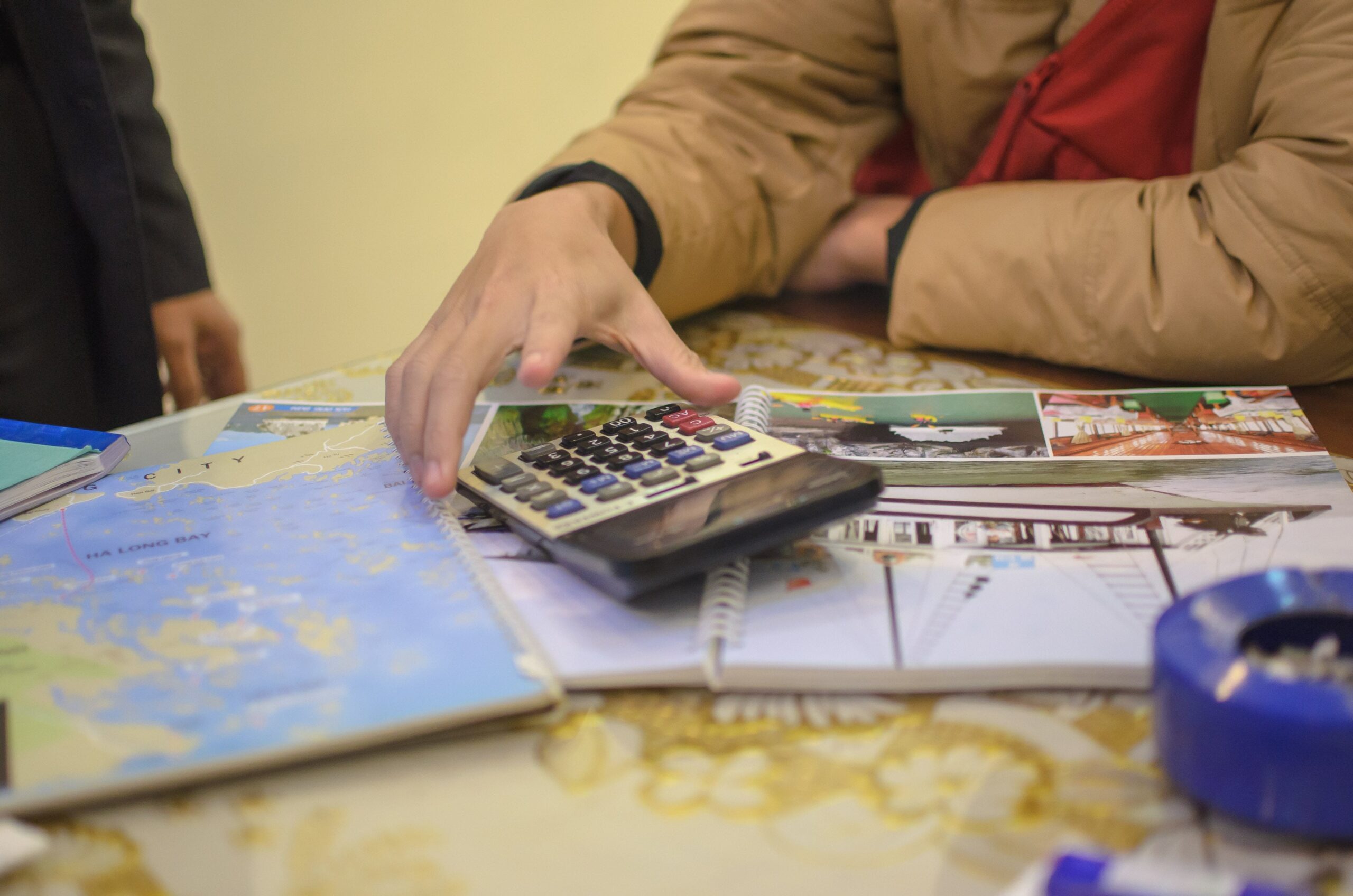
Organizing a trade show involves multiple costs, from venue rental to marketing and logistics. Proper budgeting ensures that every dollar is spent wisely, maximizing impact while keeping expenses under control. Understanding where to invest and where to cut costs can help organizers host a successful event without overspending.
Invest in Core Elements: Venue, Booth, and Technology
Some aspects of your trade show directly affect attendee experience and exhibitor satisfaction, making them worth prioritizing in your budget. A well-located, accessible venue sets the tone for your event and attracts more visitors. Booth design and setup are also critical—professional displays, signage, and interactive elements enhance engagement and brand visibility. Technology investments, such as audio-visual equipment, lighting, and registration systems, ensure smooth operations and leave a positive impression on attendees. Allocating sufficient funds to these core elements is an investment in the success and reputation of your trade show.
Save on Non-Essential Items: Promotional Giveaways and Decor
While promotional materials and decorative elements add flair to your event, they can quickly increase costs if not managed carefully. Opt for practical giveaways that align with your brand and audience rather than extravagant or overly expensive items. Similarly, decor should enhance the environment without overwhelming your budget. Using reusable or rented items can reduce expenses while maintaining a professional appearance. Focus on creativity and functionality rather than sheer cost when it comes to non-essential items.
Plan for Contingencies: Marketing, Staffing, and Logistics
Unexpected expenses often arise during trade show planning, so it’s wise to allocate a portion of your budget for contingencies. Marketing campaigns, temporary staff, and logistical challenges may require additional funding. Having a buffer allows you to handle last-minute changes or emergencies without disrupting the overall event. Prioritize flexibility in your budget to ensure you can respond to unforeseen situations while keeping the event running smoothly.
Conclusion
Effective budgeting is crucial to hosting a successful trade show. By strategically investing in core elements, saving on non-essential items, and planning for contingencies, organizers can create a high-impact event that delivers results without overspending. Careful financial planning ensures that every dollar contributes to attendee engagement, exhibitor satisfaction, and overall event success, making your trade show both memorable and cost-effective.













Post Comment