Cultural Guidance for Exhibitors Entering Indian Markets

India, known for its cultural diversity and dynamic business landscape, offers immense potential for international exhibitors looking to expand their reach. However, success in Indian trade shows requires more than just showcasing products — it demands cultural understanding, sensitivity, and adaptability. Effective cultural guidance for exhibitors entering Indian markets helps businesses connect meaningfully with local audiences and build long-lasting relationships in this vibrant economy.
Understanding Indian Business Etiquette
Indian business culture emphasizes respect, trust, and relationship-building. Exhibitors entering Indian markets must recognize that personal connections often play a vital role in business decisions. Greeting with warmth, using polite titles, and showing genuine interest in local traditions can make a strong impression. Punctuality and professionalism are appreciated, but flexibility is also valued in scheduling and discussions. Proper cultural guidance for exhibitors entering Indian markets helps participants navigate business meetings, communication styles, and negotiation etiquette effectively, creating a positive foundation for collaboration.
Communication and Marketing Sensitivity
India’s diversity extends to languages, customs, and consumer behavior. What appeals to one region may not resonate with another. Exhibitors should tailor marketing materials and booth presentations to reflect cultural nuances and local preferences. Using multilingual signage, localized visuals, and culturally appropriate messaging enhances engagement with visitors. Cultural guidance for exhibitors entering Indian markets ensures that communication strategies are inclusive, respectful, and aligned with the expectations of Indian buyers and stakeholders.
Embracing Indian Hospitality and Traditions
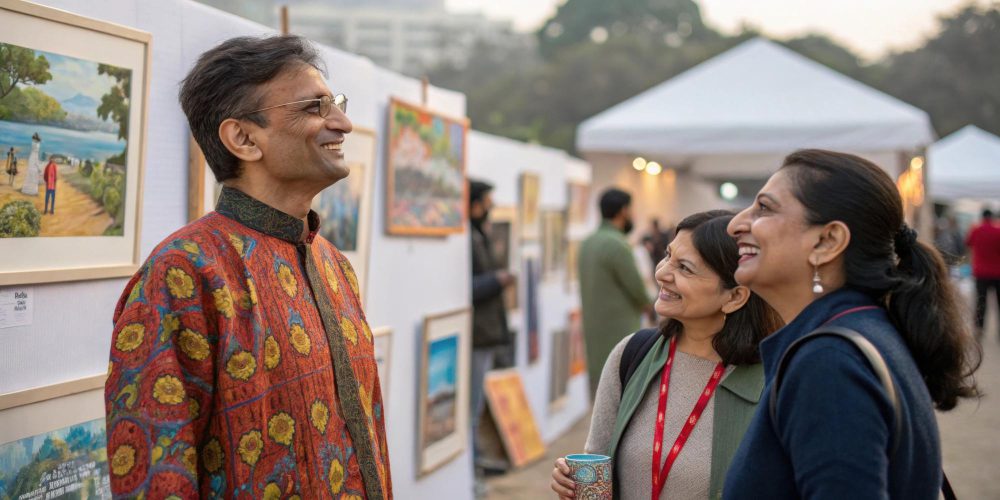
Indian hospitality is world-renowned, and participating exhibitors can benefit from embracing it. Offering refreshments, engaging in friendly conversations, and maintaining a welcoming booth atmosphere are simple yet powerful gestures. Exhibitors should also be aware of cultural practices during events, such as festival timings, dietary preferences, and traditional greetings. Comprehensive cultural guidance for exhibitors entering Indian markets encourages respect for local customs, enabling international participants to integrate smoothly into India’s exhibition environment and build positive brand perception.
Conclusion
India’s exhibition sector provides exceptional opportunities for global businesses, but cultural awareness is key to making the most of them. Proper cultural guidance for exhibitors entering Indian markets empowers companies to communicate effectively, respect local values, and build trust with potential clients. By understanding India’s cultural diversity and business etiquette, international exhibitors can create meaningful connections and achieve lasting success in one of the world’s most promising markets.








Post Comment