From Deonar’s Trash Hills to Gallery Walls: An Exhibition That Forces Mumbai to Look at What It Throws Away
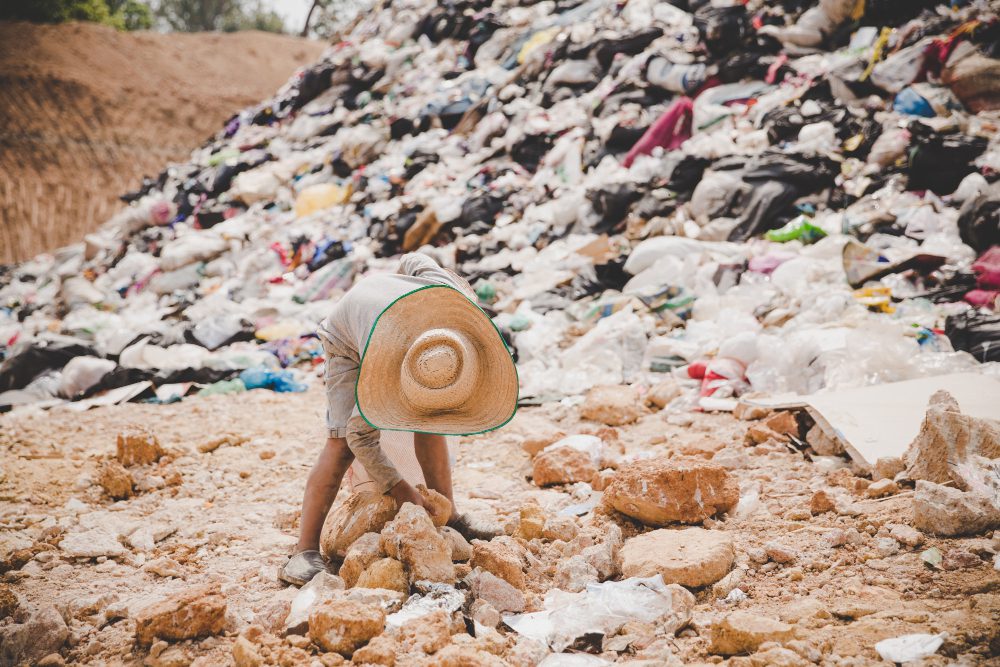
Mumbai’s towering skyline hides an uncomfortable truth—its mountains of waste. Drawing attention to this often-ignored reality, a powerful art exhibition transforms discarded materials from Deonar’s infamous trash hills into thought-provoking works displayed on pristine gallery walls. The exhibition challenges citizens to confront the environmental cost of their everyday consumption.
Deonar: Where the City’s Waste Tells Its Story
Deonar dumping ground, one of Asia’s largest landfills, has long symbolised Mumbai’s waste crisis. The exhibition sources materials directly from this site—plastic, metal scraps, broken glass, and household waste—turning refuse into raw artistic material.
Each piece tells a story of overconsumption and neglect, giving voice to what the city chooses to discard and forget.
When Waste Becomes Art
Inside the gallery, trash is no longer invisible. Artists creatively reimagine waste into sculptures, installations, and mixed-media artworks that provoke discomfort and reflection. What once polluted the environment now demands attention, forcing viewers to rethink the life cycle of everyday objects. The contrast between the landfill’s chaos and the gallery’s calm amplifies the message: waste does not disappear—it merely changes location.
Art as a Mirror to Urban Responsibility
Beyond aesthetics, the exhibition acts as a mirror to Mumbai’s collective responsibility. It questions unsustainable lifestyles, highlights the role of waste workers, and underscores the urgent need for segregation, recycling, and conscious consumption. By bridging environmental activism and artistic expression, the exhibition sparks dialogue on how cities like Mumbai must reimagine their relationship with waste.
Conclusion
From Deonar’s trash hills to gallery walls, this exhibition delivers a stark reminder of the consequences of unchecked consumption. It urges Mumbai to look closely at what it throws away—and, more importantly, to consider what it can no longer afford to ignore.
Through art, the city is invited to confront its waste not as a distant problem, but as a shared responsibility demanding immediate action.
==









Post Comment