Top Tools for Designing Eco-Friendly Exhibition Booths
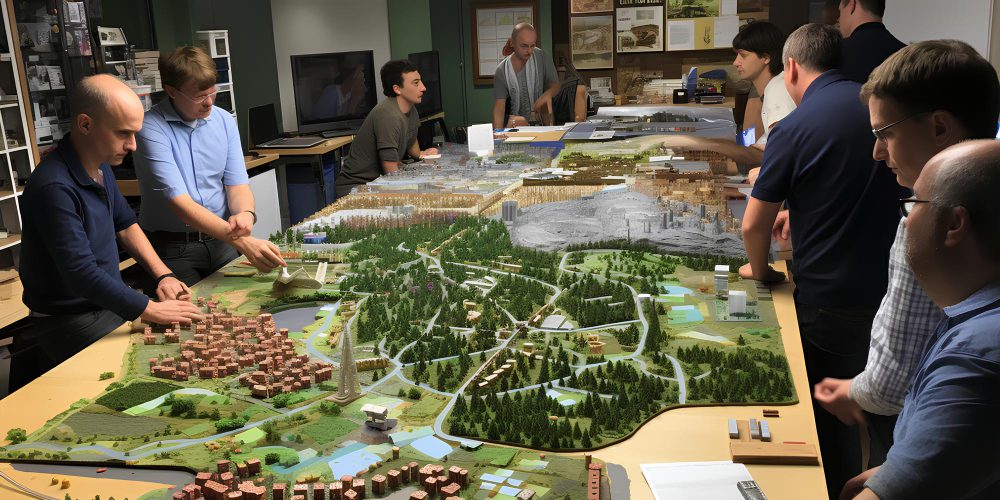
Sustainability is rapidly transforming the exhibitions and events industry, making eco-friendly booth design a key priority for exhibitors and organizers. An environmentally responsible exhibition booth not only reduces waste and energy consumption but also strengthens brand credibility and appeal among conscious audiences. By using the right tools at every stage of planning and execution, exhibitors can create impactful booths while minimizing their environmental footprint.
Advanced Digital Design and Planning Tools
Digital design tools form the foundation of eco-friendly exhibition booth planning. These tools allow designers to conceptualize, modify, and finalize booth designs virtually, significantly reducing material wastage. 3D modeling and visualization software helps teams plan layouts, graphics, lighting, and structures with precision before production begins. Virtual walkthroughs enable better decision-making, reduce last-minute changes, and ensure efficient use of materials, time, and space.
Sustainable Material Selection and Sourcing Tools
Selecting the right materials is critical for creating green exhibition booths. Sustainable material selection tools help exhibitors identify recyclable, reusable, and low-impact materials such as modular aluminum systems, fabric graphics, bamboo panels, and recycled wood. These tools also assist in comparing materials based on durability, reusability, and environmental impact, ensuring long-term value. By sourcing eco-certified materials, exhibitors can reduce waste generation and support responsible manufacturing practices.
Energy Efficiency and Waste Reduction Management Tools
Energy and waste management tools play an essential role during booth installation, exhibition days, and dismantling. Tools that assist in planning energy-efficient lighting, low-power digital displays, and optimized electrical layouts help reduce energy consumption on the show floor. Waste reduction tools guide exhibitors in reusing booth elements, recycling materials, and minimizing disposable components. Modular booth planning tools further ensure that structures can be reused across multiple exhibitions, supporting a circular design approach.
Conclusion
Designing eco-friendly exhibition booths requires a strategic approach supported by the right tools and technologies. From digital planning and sustainable material selection to energy efficiency and waste management, these tools enable exhibitors to create visually striking booths that align with environmental goals. By adopting eco-friendly design tools, businesses can reduce their environmental impact, optimize costs, and position themselves as responsible and forward-thinking participants in the exhibition industry.













Post Comment