Data Analytics Tools to Measure Exhibition Success
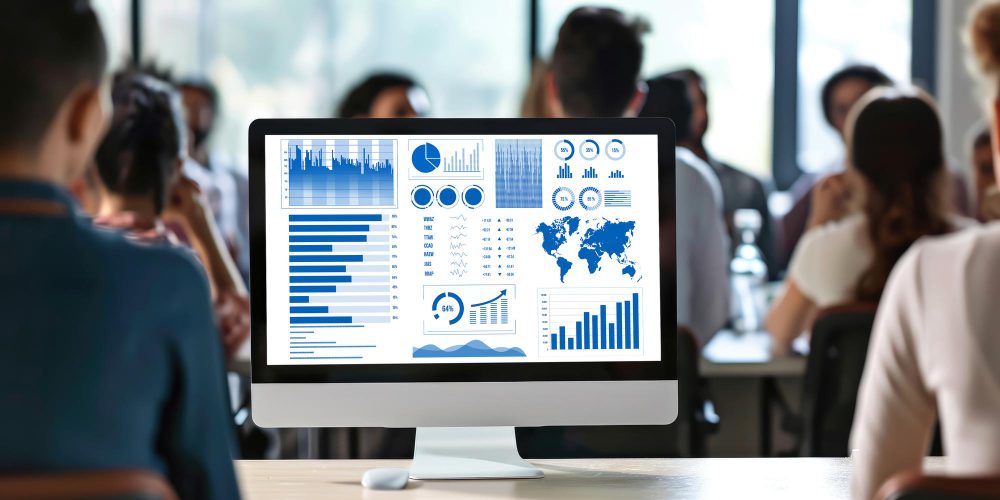
In today’s competitive events landscape, collecting data is no longer optional—it’s essential. Whether you’re organizing a physical, virtual, or hybrid exhibition, data analytics tools help you measure performance, understand attendee behavior, and make smarter decisions for future events. These tools provide insights on everything from visitor engagement and booth traffic to lead quality and marketing effectiveness. Here’s a look at some of the key data analytics tools that every exhibition organizer should consider.
Event Performance and Engagement Analytics
Event analytics tools focus on tracking how attendees interact with different elements of an exhibition. These tools measure metrics such as visitor registrations, session attendance, booth visits, dwell time, and interaction levels. For physical exhibitions, this may include badge scans and entry-exit tracking, while virtual and hybrid events rely on digital engagement data. These insights help organizers identify high-performing zones, popular sessions, and areas that need better planning or promotion.
Lead Tracking and Conversion Analysis
One of the most important success indicators for exhibitions is lead generation. Data analytics tools integrated with lead management systems help track how many leads were generated, their quality, and how engaged they were during the event. By analyzing visitor interests, booth interactions, and follow-up responses, exhibitors can prioritize high-potential leads. This data also helps measure how effectively the exhibition supported real business outcomes rather than just brand visibility.
Marketing and Audience Insights
Analytics tools also play a critical role in evaluating exhibition marketing efforts. They track how visitors discovered the event, which promotional channels performed best, and what content drove registrations. Understanding audience demographics, interests, and behavior allows organizers to refine targeting strategies and improve communication for future events. These insights ensure marketing budgets are spent more efficiently while attracting the right audience profile.
Conclusion
Measuring exhibition success goes beyond counting attendees. With the right data analytics tools, organizers can gain a deeper understanding of audience behavior, marketing effectiveness, engagement trends, and lead quality. Leveraging these insights enables data-driven decisions that improve event planning, enhance participant experience, and boost ROI. Incorporating robust analytics into your exhibition strategy ensures you’re not just hosting events—you’re creating meaningful outcomes that drive long-term growth.









Post Comment