Agritech Expert: How Rural Exhibitions Impact Supply Chains
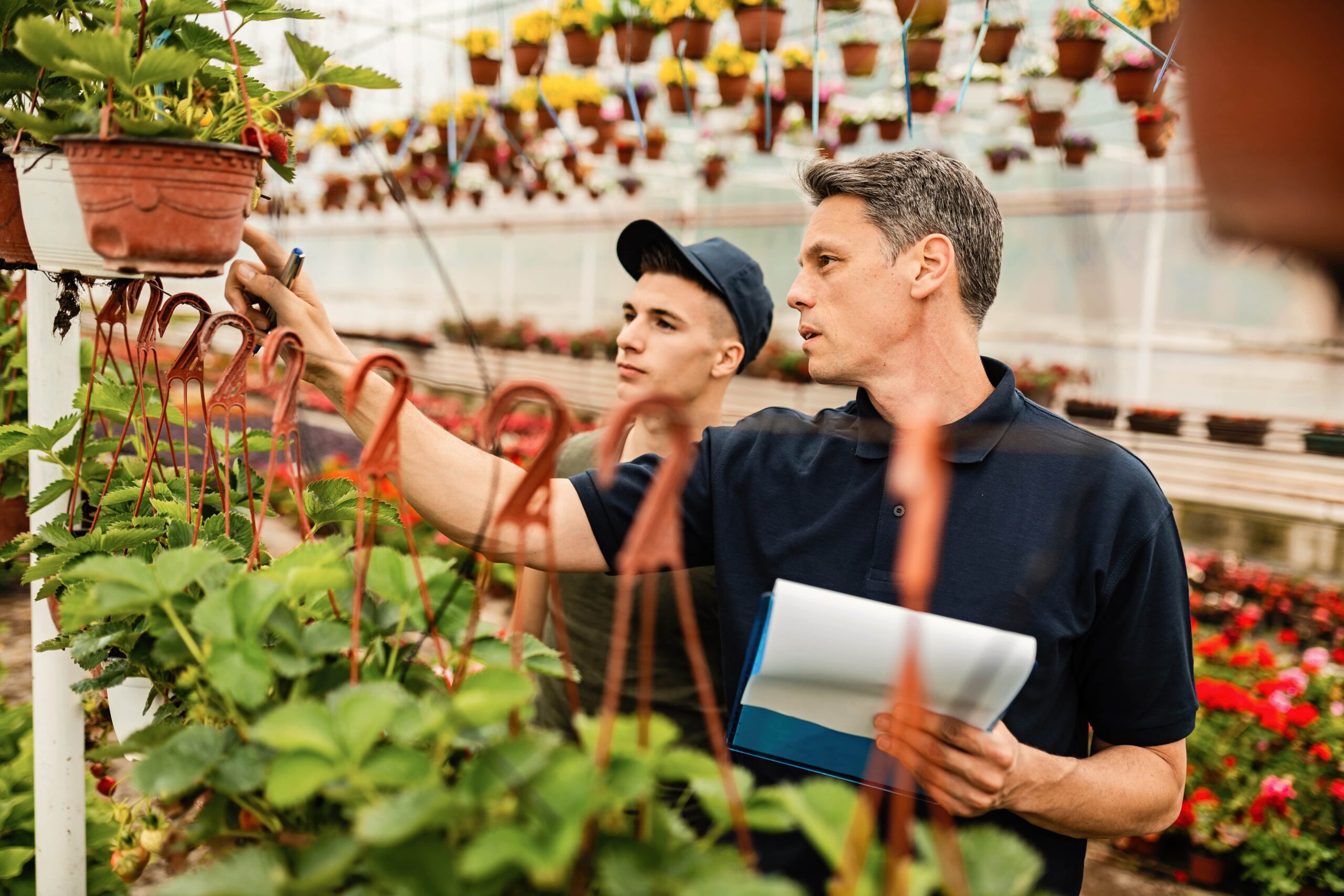
Rural exhibitions have emerged as powerful platforms for transforming India’s agricultural landscape. They serve as vital bridges between farmers, agritech companies, policymakers, and distributors, driving innovation and efficiency across the entire agricultural supply chain. As India continues to modernize its agri-economy, these exhibitions play a critical role in ensuring that technology and knowledge reach the grassroots level.
Bridging the Gap Between Farmers and Technology
One of the most significant impacts of rural exhibitions is their ability to connect farmers directly with agritech innovators. These events showcase cutting-edge tools, smart irrigation systems, precision farming solutions, and sustainable practices. By experiencing these technologies firsthand, farmers gain insights into improving crop yield, reducing costs, and managing resources more efficiently. This direct exposure helps in faster adoption of modern methods that enhance productivity and profitability.
Enhancing Market Linkages and Distribution Networks
Rural exhibitions create new opportunities for agribusinesses, suppliers, and cooperatives to expand their networks. Distributors and logistics providers can meet potential partners, streamlining supply chain operations from production to market. Additionally, these events help small-scale producers find buyers for their goods, strengthening rural economies and reducing dependency on middlemen. Such collaborations contribute to building more transparent, efficient, and resilient agricultural supply chains.
Policy and Knowledge Exchange Platforms
Beyond trade, rural exhibitions also act as hubs for policy dialogue and capacity building. Government bodies, NGOs, and research institutions often use these platforms to share information about schemes, subsidies, and training programs. Farmers and agritech professionals can engage in workshops and panel discussions that promote sustainable farming practices and supply chain optimization. This exchange of ideas leads to more informed decision-making at every level of the agricultural ecosystem.
Conclusion: Rural Exhibitions as Catalysts for Agri-Supply Transformation
Rural exhibitions are much more than trade fairs — they are catalysts for change in India’s agritech sector. By connecting farmers with technology providers, strengthening market linkages, and encouraging policy discussions, these events significantly enhance the efficiency of agricultural supply chains. As India’s agriculture continues to evolve, rural exhibitions will remain at the heart of empowering farmers and driving sustainable growth across rural markets.













Post Comment