Essential Digital Tools Every Exhibition Organizer Should Use
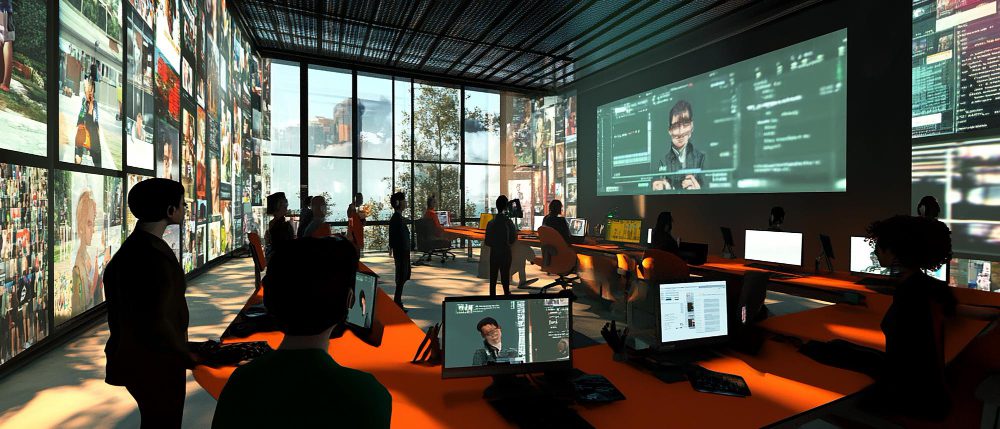
The exhibition industry is becoming increasingly competitive, data-driven, and experience-focused. Organizing a successful exhibition today requires much more than venue booking and stall allocation—it demands smart planning, seamless execution, and measurable outcomes. Digital tools play a crucial role in helping exhibition organizers manage complex operations, improve coordination, enhance visitor experience, and deliver strong value to exhibitors and sponsors.
By integrating the right digital solutions at every stage of the event lifecycle, exhibition organizers can operate more efficiently and stay ahead in a rapidly evolving industry.
Pre-Event Planning and Marketing Tools
The foundation of a successful exhibition lies in effective pre-event planning and promotion. Digital event management platforms allow organizers to manage exhibitor registrations, booth layouts, contracts, schedules, and internal workflows from a centralized system. These tools reduce manual work, minimize errors, and ensure better coordination between teams. Online registration and ticketing systems further simplify visitor onboarding through automated confirmations, digital badges, and QR-code-based entry, enabling smoother crowd management and accurate data collection. CRM and email marketing tools support targeted communication with exhibitors and visitors, helping organizers promote the exhibition, send reminders, and maintain long-term relationships. Social media management tools also play a vital role in expanding exhibition visibility by enabling scheduled posts, paid promotions, and performance monitoring across multiple platforms.
On-Ground Operations and Visitor Engagement Tools
During the exhibition, efficient on-ground execution is essential to ensure a positive experience for both visitors and exhibitors. Mobile event applications enhance visitor engagement by providing access to event schedules, exhibitor directories, interactive floor maps, and instant notifications. These tools reduce dependency on printed materials and allow organizers to communicate updates in real time. Digital lead retrieval systems help exhibitors capture visitor details instantly by scanning badges, improving lead quality and follow-up efficiency. Internal communication and collaboration tools are critical during setup and live event days, enabling real-time coordination with staff, vendors, and security teams to ensure quick issue resolution and smooth operations.
Post-Event Evaluation and Growth Tools
Post-event analysis is just as important as planning and execution. Digital analytics tools help organizers measure performance, understand visitor behavior, and evaluate marketing effectiveness. Insights from website traffic, registration sources, and conversion data help organizers refine strategies for future editions. Feedback and survey tools collect valuable responses from exhibitors, visitors, and sponsors, allowing organizers to assess satisfaction levels and identify improvement areas. In addition, virtual and hybrid event platforms enable continued engagement beyond the physical exhibition by offering digital networking, live sessions, and online product showcases, expanding reach and long-term value.
Conclusion
Digital tools have become an integral part of modern exhibition management. From planning and promotion to execution and performance analysis, technology enables exhibition organizers to deliver more efficient, engaging, and results-driven events. By adopting the right digital solutions, organizers can enhance operational control, improve visitor and exhibitor experiences, and achieve higher returns on investment. Embracing digital transformation is essential for building future-ready exhibitions in today’s dynamic event industry.













Post Comment