Managing International Participation in Indian Trade Shows
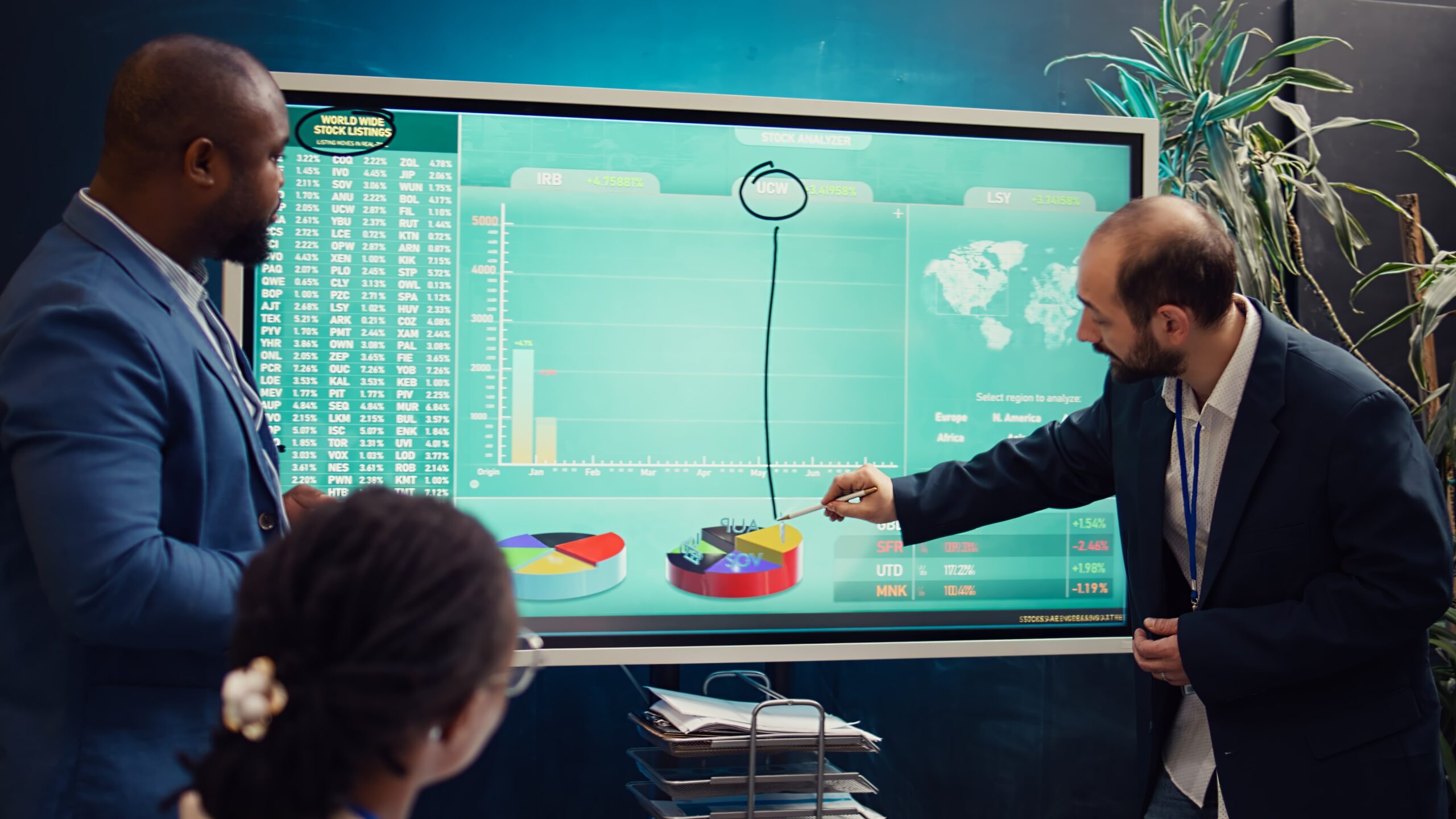
India’s trade show landscape is rapidly becoming a hub for global business, attracting exhibitors and visitors from across the world. With a growing interest in sectors like EV, renewable energy, textiles, and technology, international participation plays a vital role in enhancing the scope and success of Indian trade exhibitions. However, managing this global involvement requires thoughtful planning, cultural sensitivity, and logistical precision. Ensuring a seamless experience for foreign participants not only boosts the event’s credibility but also strengthens India’s position as a global business destination.
Streamlining Communication and Registration
Clear, multilingual communication is essential for engaging international exhibitors and visitors. Event websites, registration forms, and brochures should be accessible in major global languages and tailored for an international audience. Dedicated liaison officers or international desks help address queries related to booth booking, visa facilitation, and travel support. Offering online registration and virtual assistance ensures that international delegates can plan their participation efficiently, even from thousands of miles away.
Logistics, Travel, and On-Ground Support
International participants often face challenges related to customs clearance, freight forwarding, accommodation, and transportation. Organizers must collaborate with experienced logistics partners to ensure smooth import and export of exhibit materials, with proper documentation and customs coordination. Arranging airport pickups, hotel bookings, and multilingual signage at the venue improves the comfort level for foreign guests. A dedicated help desk or concierge service during the event can further enhance their overall experience.
Cultural Integration and Networking Opportunities
Creating an inclusive and culturally aware environment goes a long way in building strong international relationships. Organizers can host international pavilions, welcome receptions, and country-specific networking sessions to facilitate targeted interactions. Offering translation services during key sessions, and promoting cross-border B2B meetings, ensures that international exhibitors derive maximum value from the show. A culturally respectful atmosphere helps foster trust, encourages collaboration, and paves the way for long-term business ties.
Conclusion
Managing international participation in Indian trade shows is both a challenge and an opportunity. By offering seamless communication, efficient logistics, and culturally inclusive experiences, organizers can attract and retain global exhibitors year after year. These efforts not only enhance the success of the event but also elevate India’s reputation as a professional, well-organized destination for international trade. With the right planning, international participation becomes a powerful asset that transforms trade shows into truly global business platforms.












Post Comment