10 Benefits of Participating in a B2B Trade Exhibition

Growing a business requires more than a good product or service. Companies also need visibility, relevant connections, market knowledge and opportunities to earn customer trust. A B2B trade exhibition brings these elements together by creating a space where businesses can meet, demonstrate their capabilities and explore commercial opportunities.
For manufacturers, suppliers, startups and service providers, exhibitions offer direct access to people interested in their industry. Moreover, face-to-face conversations can reveal customer needs that are difficult to understand through emails, advertisements or online enquiries alone.
So, how can exhibiting support your business? Here are 10 benefits of participating in a B2B trade exhibition.
What Is a B2B Trade Exhibition?
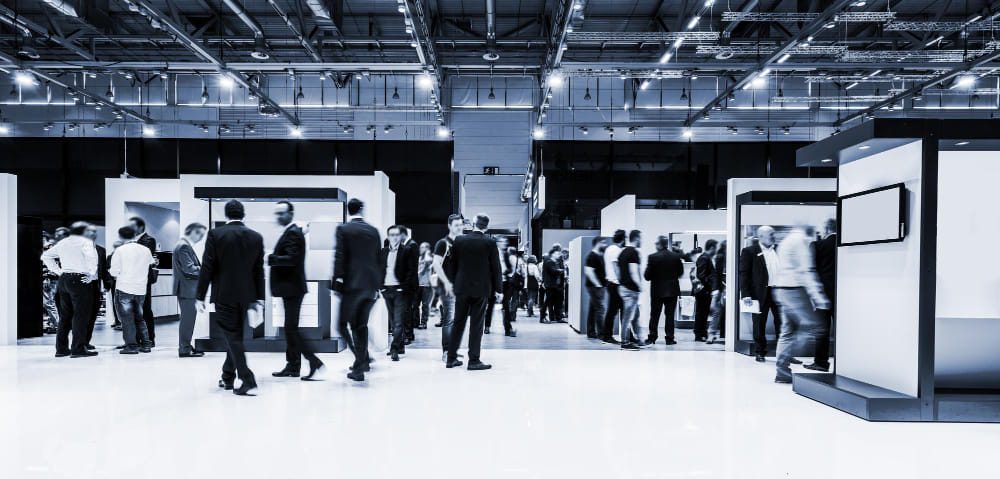
A B2B, or business-to-business, trade exhibition is an event where companies showcase products, technologies and services to other businesses. Visitors may include buyers, distributors, dealers, procurement professionals, investors and industry specialists.
Unlike consumer exhibitions, which primarily focus on individual shoppers, B2B exhibitions are designed around business requirements, professional relationships and commercial partnerships. Depending on the event, they may also include conferences, product demonstrations and buyer meetings.
1. Connect with Relevant Buyers and Decision-Makers
Finding the right people is an essential part of business development. At a relevant B2B exhibition, exhibitors can meet professionals who are actively exploring products, suppliers or solutions within their sector.
These conversations provide an opportunity to understand purchasing requirements, budgets, project timelines and supplier expectations. In addition, meeting several potential customers in one location can help businesses make better use of their sales team’s time.
Make it count: Ask visitors about their requirements and purchasing role so your team can identify the most relevant opportunities.
2. Generate and Qualify Business Leads
Trade exhibitions create opportunities to collect enquiries from people who have shown interest in your offering. However, their value goes beyond gathering business cards or scanning visitor badges.
Through direct conversations, your team can assess whether a visitor has an immediate requirement, a future project or a general interest in your products. As a result, leads can be prioritised for more relevant follow-up.
A smaller list of well-qualified prospects can be more useful than a large database with little context.
Make it count: Record each prospect’s requirement, expected timeline and agreed next step while the conversation is still fresh.
3. Increase Brand Visibility
Participating in an industry exhibition gives your business a physical presence among relevant professionals. Your stand, product displays, team interactions and promotional materials all contribute to how visitors understand and remember your brand.
Furthermore, exhibiting can support your wider marketing campaign. Pre-event announcements, live updates and post-event content give your audience several opportunities to engage with your business.
A consistent message across your stand and digital channels helps visitors recognise what you offer and why it matters.
Make it count: Build your exhibition message around one clear customer problem and the value your business provides.
4. Demonstrate Products and Explain Solutions
Some products are easier to understand when people can see them in action. Machinery, equipment, software and technical services often benefit from a live demonstration or a guided explanation.
At an exhibition, visitors can ask questions, examine features and discuss how a solution might fit their operations. Consequently, your team can address practical concerns that a brochure or advertisement may leave unanswered.
For example, a buyer evaluating equipment may want to understand its maintenance needs, installation process and compatibility with an existing production line.
Make it count: Keep demonstrations focused on real customer applications rather than presenting every available feature.
5. Build Trust Through Face-to-Face Interaction
Business purchases often involve careful evaluation, particularly when the investment is significant or the relationship will continue over several years. Meeting a company’s representatives can help potential customers assess its expertise, responsiveness and understanding of their needs.
Face-to-face conversations also make it easier to clarify concerns and explain service commitments. Although one meeting does not guarantee a sale, it can establish a stronger foundation for future discussions.
Make it count: Prepare your team to answer questions about delivery, implementation, after-sales support and product suitability honestly and clearly.
6. Explore New Markets and Distribution Opportunities
Exhibitions can introduce businesses to buyers and potential partners from regions they do not currently serve. Depending on the event’s audience, these may include dealers, distributors, importers, exporters and regional business representatives.
Such discussions can help you assess demand, understand local expectations and identify possible routes into a new market. However, any partnership should still be evaluated through appropriate commercial checks after the event.
Make it count: Define your target regions and ideal partner profile before you begin distributor or dealer discussions.
7. Understand Customer Needs and Market Direction
An exhibition provides a setting for listening as well as selling. Questions from visitors can reveal changing priorities, common operational challenges and gaps in existing solutions.
Meanwhile, publicly available competitor displays and industry conference sessions may offer insight into product positioning, technical developments and customer expectations.
These observations can inform your product development, marketing messages and sales approach. For instance, repeated questions about energy consumption or service availability may indicate topics that deserve greater attention in your communications.
Make it count: Hold a short team review each day to capture recurring questions and useful market observations.
8. Develop Strategic Partnerships
Not every valuable exhibition conversation leads to a direct sale. Some introduce potential technology partners, service providers, component suppliers or businesses with complementary offerings.
These connections may develop into joint projects, distribution agreements, integrated solutions or collaborative marketing activities. For smaller businesses, a suitable partnership can also help address capability gaps or reach additional customers.
Make it count: Look beyond prospective buyers and identify businesses whose capabilities complement your own.
9. Strengthen Existing Customer Relationships
Exhibitions also provide a convenient opportunity to reconnect with current customers. Inviting them to your stand creates space to discuss their experience, introduce new offerings and understand upcoming requirements.
In addition, these meetings can bring customers together with technical experts or senior representatives they may not usually interact with. This can help resolve questions and support more informed planning.
Make it count: Schedule customer meetings in advance and prepare a short agenda based on each account’s priorities.
10. Support Your Sales Pipeline and Measure Marketing Results
Exhibition participation can contribute to several stages of the sales process, from initial awareness to product evaluation and commercial discussion.
When enquiries are recorded and followed up consistently, businesses can track how event conversations develop into meetings, demonstrations, quotations and orders. This makes it easier to evaluate participation and improve future exhibition planning.
However, results should be assessed over a period appropriate to your sales cycle. A complex B2B purchase may take months to progress.
Make it count: Measure qualified leads, meetings booked, quotations issued and sales attributed to the event alongside the full cost of participation.
How to Maximise the Benefits of Exhibiting
The benefits of a B2B trade exhibition depend on preparation, execution and follow-up. Use these steps to make your participation more effective:
- Choose a relevant exhibition: Assess its industry focus, visitor profile and fit with your business objectives.
- Set clear goals: Decide whether your priority is lead generation, product demonstrations, distributor appointments or customer meetings.
- Promote your participation early: Share your stand details through email, social media, your website and direct invitations.
- Prepare your team: Establish clear responsibilities and a consistent approach to welcoming visitors and recording enquiries.
- Follow up with context: Refer to the visitor’s specific requirement and provide the information or action you agreed on.
- Review the outcomes: Compare results with your goals and use the findings to improve your next event.
Conclusion
Participating in a B2B trade exhibition can help businesses connect with relevant buyers, demonstrate their capabilities, understand market needs and develop valuable relationships.
The strongest results come from treating the event as part of an ongoing business development strategy. By selecting the right exhibition, preparing carefully and following up consistently, companies can turn initial conversations into meaningful commercial opportunities.









Post Comment