Networking and Collaboration at B2B Exhibitions in India

A successful exhibition involves more than an attractive stall and a collection of visitor contacts. Its value also comes from the people you meet, the business needs you understand and the relationships you develop after the event.
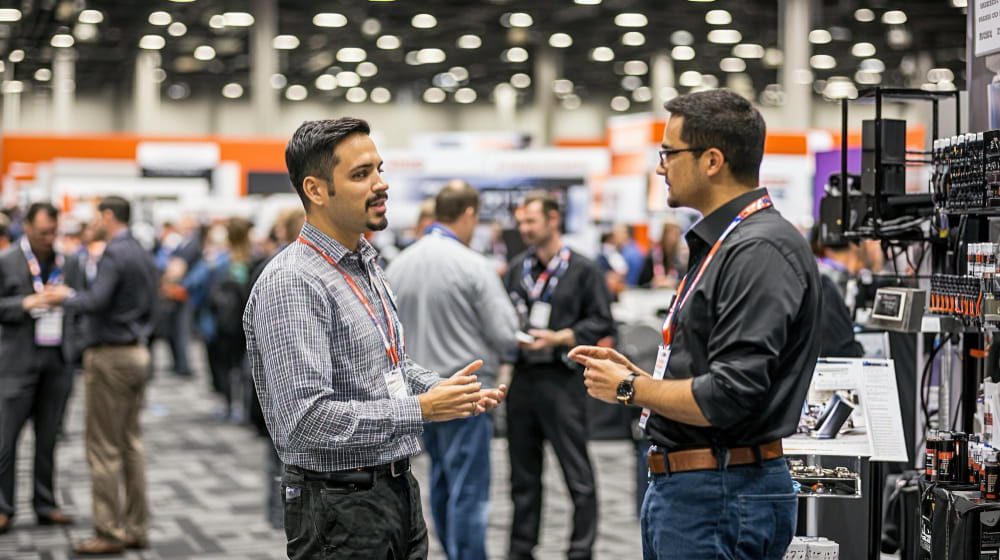
Networking at B2B exhibitions helps exhibitors connect with potential buyers, distributors, suppliers and industry professionals. Collaboration takes those conversations further by exploring how two businesses can work together.
For first-time exhibitors in India, a simple plan can make these interactions more focused and productive. This guide explains how to prepare, start meaningful conversations and turn relevant connections into practical next steps.
What Do Networking and Collaboration Mean at an Exhibition?
Networking is the process of meeting relevant professionals, understanding their requirements and building business relationships.
Collaboration begins when those relationships lead to a shared activity, such as a product trial, distribution arrangement, joint demonstration or marketing initiative.
For example, an equipment manufacturer might meet a regional distributor at an exhibition. Their first conversation establishes whether their products and markets are a good fit. A later meeting could explore territory coverage, service capabilities and commercial terms.
The exhibition creates the introduction. Further discussion and evaluation determine whether a partnership makes sense.
Why Is Networking Important at B2B Exhibitions?
Exhibitions bring businesses from a particular industry or related sectors into one location. With preparation, exhibitors can use this setting to explore several types of opportunities.
Meet Relevant Buyers
A face-to-face conversation allows you to ask about a visitor’s application, purchasing requirements and decision-making process. You can then explain the parts of your offering that matter most to them.
Instead of giving every visitor the same presentation, tailor your discussion to their needs.
Explore Distribution and Supply Partnerships
Some visitors may be better suited as dealers, distributors, suppliers or service partners than as direct customers.
Therefore, ask how their business operates before deciding which opportunity to discuss.
Understand Market Requirements
Conversations can reveal recurring questions about pricing, delivery, installation, customisation and after-sales support.
Record these questions during the event. Afterwards, use them to improve your sales material, product information and future exhibition planning.
Build Confidence Through Demonstrations
An exhibition gives visitors an opportunity to examine products, see demonstrations and meet your team. These interactions can help them assess whether your business is relevant to their requirements.
However, confidence also depends on accurate information and reliable follow-up.
How to Prepare for Exhibition Networking
1. Define Your Objectives
Before the event, decide what a useful business connection looks like.
Your priorities might include:
- Meeting buyers from a particular industry.
- Finding distributors in selected regions.
- Identifying suppliers for a specific requirement.
- Arranging demonstrations with interested prospects.
- Exploring partnerships with complementary businesses.
Set targets around relevant conversations and agreed next steps, rather than contact numbers alone.
2. Research the Exhibition Audience
Review the organiser’s available visitor profile, exhibitor directory and event programme.
Check whether buyer-seller meetings, conference sessions or networking activities are available. In addition, identify participating businesses that could be relevant to your objectives.
This research helps your team use its time more effectively.
3. Prepare a Short Introduction
Your introduction should explain who you help, what you offer and why it matters.
For example:
“We provide packaging equipment for food manufacturers looking to improve production consistency. What products does your company pack?”
This gives the visitor a clear starting point and invites a conversation.
4. Make Your Information Easy to Share
Prepare a concise company profile, product catalogue and contact details. A QR code can direct visitors to relevant information or an enquiry form.
Before the event, check that the destination page works on mobile devices and clearly explains the next step.
How to Network Effectively During the Exhibition
Start with Questions
Begin by understanding the visitor’s business instead of immediately delivering a sales pitch.
Useful questions include:
- What products or solutions are you looking for?
- Which application or business challenge are you exploring?
- Are you evaluating suppliers for an active project?
- What would you need to assess a potential supplier?
- Who else would be involved in the discussion?
Let the answers guide your presentation.
Connect Your Demonstration to Their Requirement
Once you understand the visitor’s needs, focus on the most relevant product, service or capability.
For instance, a distributor may be interested in regional demand and service support. A manufacturer may want to discuss technical specifications, installation and operating requirements.
A focused explanation makes the conversation more useful for both sides.
Look Beyond Your Own Stall
Where staffing allows, assign team members time to attend relevant sessions, visit complementary exhibitors and participate in scheduled meetings.
Also, keep your stall adequately staffed so that networking activities do not interrupt visitor engagement.
Record the Context
A business card alone rarely explains what happened during a conversation.
Use a simple lead form or CRM to record:
- Contact name, company and business role.
- Product or partnership interest.
- Requirement and expected timeline.
- Information requested.
- Agreed next action.
- Team member responsible for follow-up.
Explain how you intend to follow up and respect the contact’s communication preferences.
Agree on a Specific Next Step
Before ending a promising conversation, establish what should happen next.
This might be sending a technical document, arranging a demonstration, preparing a quotation or introducing a colleague.
A clear next step makes the conversation easier to continue.
Collaboration Opportunities to Explore
Collaboration does not always begin with a large agreement. A small, well-defined activity can help both businesses evaluate whether they work well together.
| Opportunity | What to discuss |
|---|---|
| Dealer or distributor relationship | Market coverage, customer profile, service capacity and commercial expectations |
| Supplier relationship | Specifications, quality requirements, capacity and delivery expectations |
| Technology partnership | Integration needs, technical responsibilities and a possible pilot |
| Joint marketing | Audience relevance, shared content, costs and responsibilities |
| Industry association engagement | Member needs, educational activities and participation opportunities |
For example, two companies offering complementary solutions could begin with a joint demonstration. Before proceeding, they should agree on the objective, responsibilities, costs and how enquiries will be handled.
How to Follow Up After an Exhibition
Prioritise Contacts by Relevance
Review your notes and separate contacts by their requirements and readiness for a next step.
An active buyer requesting a quotation will need a different response from a visitor researching options for a future project.
Assign an owner to each priority contact so that follow-up does not become a shared task with no clear responsibility.
Refer to the Actual Conversation
A useful follow-up message reminds the recipient where you met and addresses what they requested.
For example:
“Thank you for visiting our stall. You mentioned that your team is evaluating equipment for a new production line. I’m sharing the specification sheet we discussed. Would a short technical call next week be useful?”
Personalise the message using accurate notes from the discussion.
Deliver What You Promised
If you agreed to send a catalogue, quotation or technical response, provide it within the promised timeframe.
When more information is required, ask clear questions. This keeps the discussion moving and demonstrates that your team listened.
Continue with Relevant Communication
Some opportunities develop over several months. Where appropriate, stay in touch with useful information related to the contact’s interests.
Avoid sending every contact the same repeated promotional message. Each communication should have a clear reason.
How to Measure Networking Results
The number of contacts collected is only one part of exhibition performance. Review what happened after those introductions.
Useful measures include:
- Relevant business conversations.
- Meetings or demonstrations agreed.
- Follow-up meetings completed.
- Quotations or proposals requested.
- Partnership discussions progressing.
- Opportunities and orders linked to the exhibition.
For example, if your team recorded 40 qualified contacts and completed follow-up meetings with 10, the contact-to-meeting conversion rate would be 25%.
Define what counts as a qualified contact before the exhibition so that your team measures results consistently.
Common Exhibition Networking Mistakes
First-time exhibitors should watch for these avoidable mistakes:
- Giving long presentations before understanding the visitor.
- Treating every contact as an immediate buyer.
- Recording contact details without conversation notes.
- Making promises the team cannot fulfil.
- Leaving follow-up ownership unclear.
- Judging success only by stall footfall.
Instead, focus on relevant discussions, realistic commitments and consistent follow-through.
Frequently Asked Questions
How can first-time exhibitors start networking?
Prepare a short introduction and a few questions about visitors’ business requirements. Listen carefully, explain the relevant part of your offering and agree on a next step when there is a good fit.
Can small businesses find collaboration opportunities at exhibitions?
Small businesses can explore relationships with buyers, distributors, suppliers and complementary service providers. The suitability of an opportunity depends on the audience, the business requirement and each company’s capabilities.
What is the difference between networking and lead generation?
Networking builds professional relationships that may support several business goals. Lead generation focuses more specifically on identifying potential customers. A networking conversation may produce a sales lead, a partnership opportunity or a useful industry connection.
When should exhibitors follow up?
Follow the timeline agreed during the conversation. As a practical starting point, review contacts daily during the event and aim to send relevant follow-up within one or two working days where possible.
How can a conversation become a collaboration?
Identify a shared objective, check whether both businesses have suitable capabilities and agree on a manageable next step. This could be a meeting, trial, demonstration or pilot with clear responsibilities.
Plan Your Next Exhibition with Clear Networking Goals
Networking and collaboration require preparation before the exhibition and attention after it. Relevant questions, useful demonstrations and dependable follow-up give each introduction a stronger chance of developing into a business relationship.
Planning to exhibit? Explore upcoming exhibitions with Indian Exhibition Services and contact the team to discuss participation opportunities relevant to your industry.








Post Comment