Time Management Tips Every Event Planner Should Follow
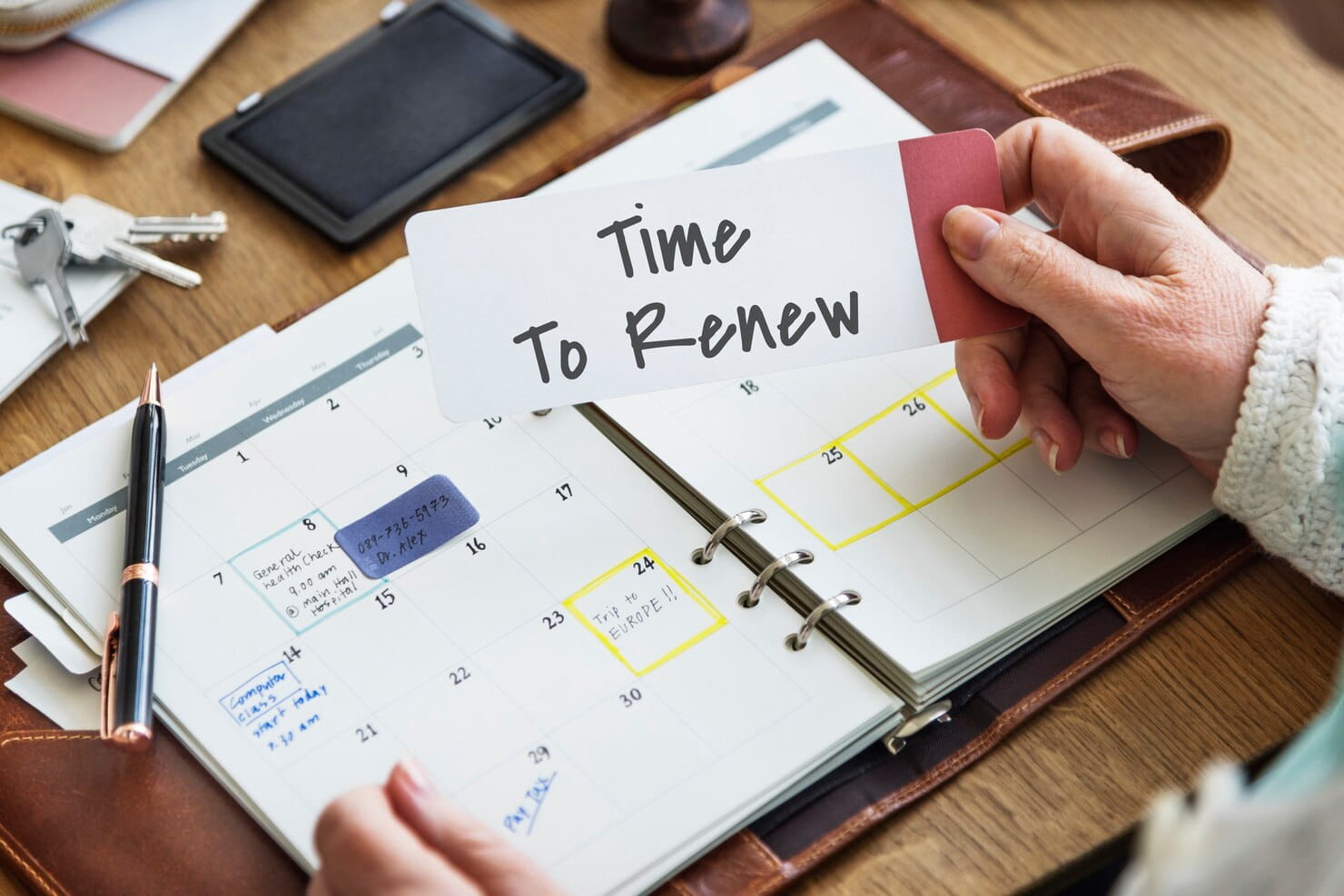
Time management is one of the most important skills for an event planner. An event involves multiple responsibilities, including venue selection, vendor coordination, guest management, budgeting, marketing, logistics, and on-site execution. When several tasks need attention at the same time, poor time management can lead to delays, missed deadlines, and unnecessary stress.
For event planners, managing time effectively is not simply about working faster. It is about planning tasks in the right order, setting realistic deadlines, coordinating teams efficiently, and leaving enough time to handle unexpected challenges. A structured approach can help event planners stay organised and deliver a smooth experience for clients, exhibitors, speakers, and attendees.
Why Time Management Matters in Event Planning
Events operate according to strict timelines. A venue must be booked before the event, vendors need enough time to prepare, promotional campaigns must start at the right stage, and equipment must arrive before setup begins.
Even a small delay can affect several other activities. For example, if booth construction is delayed at an exhibition, electrical installation, branding, equipment setup, and final inspections may also be affected.
Effective time management allows event planners to create a clear workflow and complete important tasks before they become urgent.
Start Planning as Early as Possible
Successful event planning begins well before the event date. Starting early gives planners more time to research suppliers, compare venues, negotiate with vendors, develop promotional campaigns, and solve potential problems.
Create a master timeline as soon as the event is confirmed. Include important milestones such as venue booking, vendor confirmation, marketing activities, registration deadlines, equipment requirements, staff allocation, and final inspections.
Working backwards from the event date can make this process easier. Determine what must be completed immediately before the event and then establish deadlines for the tasks leading up to those activities.
Set Clear Priorities
Not every task requires the same level of attention. Event planners should identify activities that can directly affect the event if they are delayed.
Venue arrangements, major vendor bookings, permits, event infrastructure, guest confirmations, and technical requirements often need to be handled before less urgent administrative tasks.
Prioritising tasks helps planners focus their time on activities that have the greatest impact on event preparation.
Create a Detailed Event Timeline
A detailed event timeline provides a clear overview of the entire planning process. Instead of keeping deadlines in different emails, messages, and documents, bring important information together in one central schedule.
Divide the timeline into planning stages. The early stage can cover venue selection and budgeting, while the following stages can include vendor coordination, marketing, registrations, logistics, and final preparations.
For exhibitions, the timeline should also cover exhibitor communication, booth design approvals, stand construction, electrical work, product movement, signage, and venue handover.
Break Large Projects into Smaller Tasks
Large event-planning projects can become difficult to manage when treated as a single task. Breaking them into smaller activities makes progress easier to track.
For example, instead of simply writing “organise exhibition,” create individual tasks for venue coordination, exhibitor communication, stall allocation, branding, vendor management, visitor registration, technical setup, and on-site support.
Smaller tasks also make it easier to assign responsibilities and establish realistic deadlines.
Use a Task Management System
Event planners often manage dozens or even hundreds of tasks. A task management system can help keep deadlines, responsibilities, and progress organised.
Whether you use a digital project-management platform, spreadsheet, calendar, or another planning system, the important thing is to maintain one reliable source of information.
Every task should have a clear deadline and an assigned person. Regularly updating the schedule can help the team identify delayed activities before they affect the event.
Coordinate Vendors and Suppliers Efficiently
Vendor coordination can consume a significant amount of an event planner’s time. Caterers, decorators, AV teams, exhibition contractors, security teams, transportation providers, photographers, and other suppliers may all have different schedules.
Establish clear deadlines for quotations, approvals, payments, deliveries, and setup. Confirm important arrangements in writing and follow up before critical deadlines.
A vendor should not receive an important requirement for the first time on the day of the event. Early communication gives suppliers enough time to prepare and gives planners time to make alternative arrangements if necessary.
Avoid Multitasking on Important Tasks
Event planners frequently have several responsibilities competing for attention. However, constantly switching between tasks can make it harder to complete important work accurately.
Whenever possible, dedicate focused time to specific activities. For example, reserve a particular period for vendor communication and another period for reviewing event documents.
This approach can improve concentration and reduce the chances of overlooking important details.
Set Internal Deadlines Before Actual Deadlines
One of the most useful time management techniques for event planners is creating internal deadlines.
If a supplier needs to submit information by Friday, set an internal deadline for Wednesday. This creates a buffer in case the supplier needs additional clarification or submits the information late.
The same approach can be used for artwork approvals, guest confirmations, booth requirements, technical specifications, and other important deliverables.
Keep Buffer Time for Unexpected Problems
No event goes exactly according to plan. Vendors may experience delays, equipment may require repairs, guests may change their requirements, or venue-related issues may appear unexpectedly.
Avoid filling every available hour with scheduled tasks. Build reasonable buffer time into the planning timeline.
These time buffers give the event team room to respond to unexpected problems without affecting the entire schedule.
Delegate Responsibilities to the Right Team Members
Event planners do not need to manage every task personally. Delegating responsibilities allows the planning team to work more efficiently.
Assign tasks according to experience and responsibility. One team member can manage vendors, another can handle registrations, while another can coordinate venue logistics.
Clear delegation also prevents duplicate work. Every important task should have someone responsible for completing and reporting it.
Prepare a Detailed Event-Day Schedule
The event day requires a separate schedule because activities happen much faster than during the planning period.
The schedule should include venue access, supplier arrival, setup, technical checks, staff briefing, registration opening, speaker timings, exhibition opening, breaks, presentations, and closing activities.
For exhibitions, the event-day schedule should also include booth inspections, exhibitor support, visitor management, security checks, and dismantling arrangements.
Share the relevant schedule with team members and vendors so everyone understands when and where they need to be available.
Use Technology to Save Time
Technology can simplify many repetitive event-planning activities. Digital calendars, registration systems, online forms, shared documents, communication platforms, and project-management tools can reduce manual work.
Automated reminders can also help planners stay on top of important deadlines. Templates for vendor communication, event schedules, checklists, and follow-up messages can save additional time during recurring events.
The goal is to use technology for routine processes while keeping human attention focused on decisions and activities that require personal coordination.
Review Progress Regularly
A timeline is useful only when progress is monitored. Event planners should schedule regular reviews to check completed tasks, pending activities, upcoming deadlines, and potential delays.
A weekly review may be sufficient during the early planning stage, while more frequent meetings may be required as the event approaches.
Regular reviews allow the team to adjust priorities before small delays become major problems.
Learn to Say No to Unnecessary Tasks
Event planners often receive last-minute requests that can consume valuable time. Before accepting an additional task, consider whether it is essential to the event or whether it can be postponed, delegated, or removed.
Protecting time for critical responsibilities helps planners maintain focus and avoid unnecessary workload.
Complete a Post-Event Time Review
Time management should continue after the event. Once the event is over, review the planning timeline and identify which activities took longer than expected.
Consider where delays occurred, which vendors required additional follow-ups, and which tasks could have been completed earlier.
This information can be used to improve the timeline for future events. Over time, these reviews can help event planners create more accurate schedules and improve overall efficiency.
Conclusion
Effective time management can make event planning more organised, predictable, and efficient. By starting early, setting priorities, creating detailed timelines, delegating responsibilities, coordinating vendors, using technology, and maintaining buffer time, event planners can manage complex projects without losing control of important deadlines.
The key is to treat time as an important event-planning resource. A well-structured schedule gives the entire team a clear direction and creates enough flexibility to handle unexpected challenges. With consistent planning and regular reviews, event planners can improve productivity while creating smoother and more successful events.
FAQs
Why is time management important for event planners?
Time management helps event planners meet deadlines, coordinate vendors, manage teams, and complete essential preparations before the event.
How can an event planner manage multiple tasks?
An event planner can manage multiple tasks by prioritising activities, breaking large projects into smaller tasks, assigning responsibilities, and using a central planning system.
How early should event planning begin?
The ideal planning period depends on the size and complexity of the event. Larger exhibitions and conferences generally require significantly more preparation time than smaller events.
How can event planners avoid last-minute problems?
Creating internal deadlines, maintaining buffer time, confirming vendors early, and reviewing progress regularly can help reduce last-minute problems.
What should an event-day timeline include?
An event-day timeline should include setup, vendor arrivals, staff briefings, technical checks, registration, scheduled activities, breaks, closing procedures, and dismantling where applicable.







Post Comment