How to Plan a Successful Exhibition: A Complete Guide for Better Leads and Higher ROI

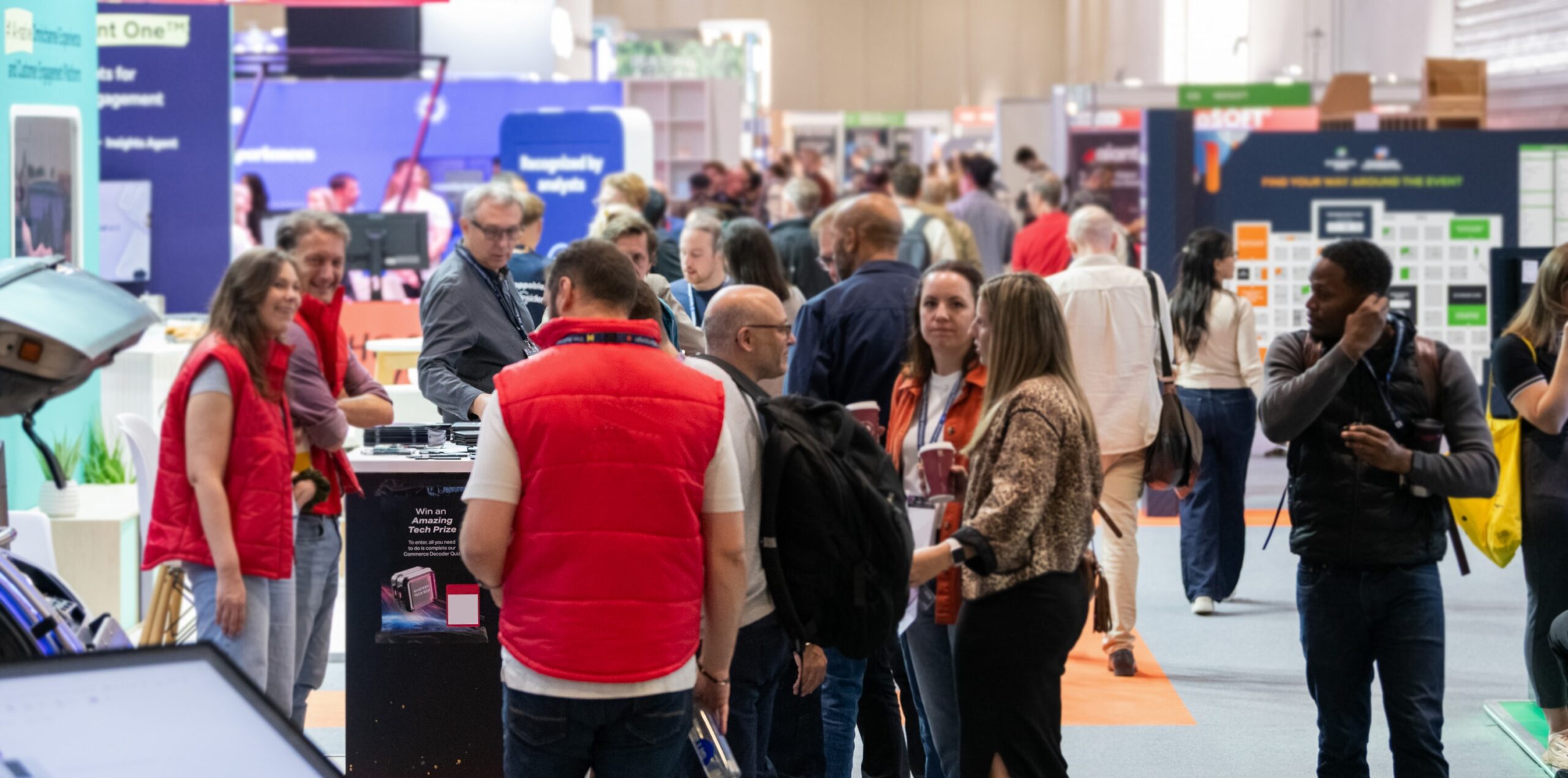
Exhibitions and trade shows offer businesses a valuable opportunity to meet potential customers face-to-face, showcase products, build brand awareness and generate qualified leads. However, achieving strong results from an exhibition requires much more than simply booking a space and installing an attractive stand.
Successful exhibition planning starts months before the event. Your goals, exhibition stand design, marketing strategy, visitor experience, booth staff and post-event follow-up all need to work together.
Whether you are exhibiting for the first time or preparing for an international trade show, this guide explains how to plan a successful exhibition that attracts visitors, generates meaningful conversations and delivers measurable business results.
Start With Clear Exhibition Objectives
Every successful exhibition begins with a clear purpose.
Before choosing your booth design or planning promotional activities, determine exactly what your business wants to achieve from the event. Some companies participate primarily to generate sales leads, while others use exhibitions to introduce a new product, enter a new market, meet distributors, strengthen customer relationships or increase brand visibility.
Your goals will influence almost every decision that follows.
For example, a company focused on product demonstrations may require an exhibition booth with large demonstration areas and interactive screens. A business targeting high-value B2B customers may need a premium exhibition stand with comfortable meeting spaces where private conversations can take place.
Setting measurable objectives also makes it easier to evaluate your exhibition ROI after the event.
Instead of simply aiming to “get more visitors,” establish meaningful targets around qualified leads, meetings, demonstrations, enquiries, quotations or potential sales opportunities.
Choose the Right Exhibition for Your Target Audience
Choosing the right trade show can make a major difference to your results.
The biggest exhibition is not automatically the best exhibition for your business. What matters is whether the event attracts the audience you want to reach.
Research the exhibition’s visitor profile, participating industries, previous exhibitors, expected attendance, geographic market and decision-maker presence before confirming your participation.
A specialised industry exhibition with a highly relevant audience can often generate better-quality business opportunities than a large general trade show.
Consider where your customers, distributors, purchasing managers, architects, consultants, retailers or industry partners are most likely to participate.
The objective should be to exhibit where your ideal customers are already looking for products, suppliers and business solutions.
Plan Your Exhibition Budget Carefully
A well-planned exhibition budget should cover much more than the cost of renting floor space.
Exhibition stand design and construction, graphics, lighting, audiovisual technology, furniture, transportation, installation, promotional materials, digital marketing, staff travel and on-site services can all contribute to the total exhibition cost.
Planning these expenses early allows you to allocate your budget according to business priorities.
Your exhibition stand is particularly important because it directly influences visibility, visitor perception and engagement. However, spending heavily on a large stand without allocating sufficient resources to marketing, staffing and follow-up can limit the return on your investment.
A successful exhibition strategy balances stand presentation with visitor engagement and lead generation.
Create an Exhibition Stand That Attracts Attention
Your exhibition stand is one of the first things visitors notice in a busy exhibition hall.
An effective exhibition stand design should communicate who you are, what you offer and why someone should visit your booth within just a few seconds.
Strong branding, clean graphics, strategic lighting and a clear message can help your stand attract attention from a distance.
At the same time, avoid overcrowding your exhibition booth with excessive text, products or decorative elements. Visitors should be able to understand your key message quickly.
The layout should also make it easy for visitors to enter and interact with your team.
Open exhibition stand designs can create a welcoming atmosphere, while carefully planned product display, demonstration and meeting areas help your staff manage different types of conversations.
For businesses participating in multiple trade shows throughout the year, a modular exhibition stand can also be a practical solution. Modular exhibition booth designs can be adapted for different stand sizes while maintaining consistent branding.
Design the Booth Around the Visitor Experience
Modern exhibition booth design is increasingly focused on experience rather than simply displaying products.
Visitors attend exhibitions because they want to discover something they cannot experience through a website, brochure or sales email.
Your booth should therefore give people a reason to stop.
Interactive product demonstrations, digital displays, touchscreens, immersive presentations, product sampling and live experiences can create stronger engagement.
Technologies such as augmented reality, virtual reality, interactive displays and AI-powered exhibition tools are also becoming more visible in modern trade show environments.
However, technology should always have a purpose.
A touchscreen that helps visitors explore products can improve engagement. A digital configurator that allows prospects to customise a solution can support the sales conversation. An immersive demonstration can help visitors understand a complicated product more quickly.
The objective is not to make the booth look technologically advanced. The objective is to make the visitor experience more useful, memorable and relevant.
Make Your Exhibition Stand More Sustainable
Sustainable exhibition stand design is becoming increasingly important as companies look for ways to reduce event waste and reuse materials across multiple exhibitions.
Instead of manufacturing a completely new booth for every event, businesses can consider modular structures, reusable exhibition graphics, recyclable materials, energy-efficient lighting and digital alternatives to printed brochures.
A reusable exhibition stand can also offer long-term cost benefits, particularly for brands that participate in several trade shows each year.
Sustainable booth design does not mean compromising on visual impact. With careful planning, a modular or reusable exhibition stand can still provide a premium branded experience while reducing unnecessary materials.
Promote Your Exhibition Before the Event Begins
One of the biggest exhibition marketing mistakes is waiting until the event starts before trying to attract visitors.
Pre-event marketing can significantly increase awareness of your participation.
Your website, email campaigns, LinkedIn presence, social media channels and sales team can all help promote your exhibition appearance before the doors open.
Clearly communicate the event name, exhibition dates, booth number and the main reason visitors should meet your team.
If you are launching a new product, offering live demonstrations or introducing a new solution, build anticipation before the event.
Encourage important customers and prospects to schedule meetings in advance.
Pre-booked meetings give your sales team a more predictable pipeline of valuable conversations while reducing dependence on random exhibition traffic.
Train Your Exhibition Booth Staff
Your exhibition team can have just as much influence on your results as your exhibition stand design.
Visitors may initially notice the booth because of its appearance, but it is the conversation with your staff that determines whether that visitor becomes a potential customer.
Your booth team should understand the exhibition objectives, target customer profile, products being promoted and the process for qualifying leads.
Staff should be approachable without becoming overly aggressive.
Instead of immediately launching into a sales pitch, start by understanding why the visitor attended the exhibition and what challenges they are trying to solve.
Good conversations allow your team to determine whether the visitor is simply browsing or represents a genuine business opportunity.
When exhibition staff understand how to qualify prospects properly, the quality of post-event leads improves significantly.
Build a Better Exhibition Lead Generation Process
Generating large numbers of contacts means little if your sales team does not know which visitors are genuinely interested.
Effective exhibition lead generation should capture more than a name and email address.
Your team should record what the visitor is interested in, what problem they are trying to solve, when they may purchase and what type of follow-up they expect.
Digital lead capture solutions can make this process faster.
QR codes, tablets, event apps, badge scanners and CRM-connected lead capture systems can help businesses organise visitor information and reduce manual data entry.
AI-powered lead qualification tools are also beginning to support exhibition teams by helping prioritise potential opportunities based on engagement and collected data.
The most important factor, however, remains the quality of information collected during the conversation.
Your sales team should be able to understand exactly why each important prospect visited your stand when they begin following up after the exhibition.
Use Social Media During the Exhibition
Your exhibition marketing strategy should continue while the event is happening.
Sharing live content can help extend the reach of your exhibition booth beyond visitors already walking through the hall.
Photographs of your exhibition stand, product demonstrations, short videos, customer interactions and behind-the-scenes content can create additional visibility through LinkedIn, Instagram and other relevant social platforms.
Live exhibition content can also encourage people attending the same trade show to visit your booth.
Keep the content authentic and useful rather than posting repetitive promotional messages.
Showing real interactions and demonstrations can give potential visitors a better reason to find your stand.
Give Visitors a Clear Next Step
Every exhibition booth should have a clear call to action.
After attracting someone to your stand and having a productive conversation, make it obvious what should happen next.
Depending on your business, the next step might be requesting a quotation, booking a consultation, arranging a product demonstration, scheduling a meeting or continuing the conversation with a sales representative.
Without a defined next step, valuable exhibition conversations can easily disappear once the event ends.
A strong exhibition strategy connects the visitor interaction directly with your post-event sales process.
Follow Up With Exhibition Leads Quickly
The work does not finish when the exhibition closes.
Post-event follow-up is one of the most important stages of successful trade show marketing.
Your most valuable prospects should receive personalised communication based on the conversation they had with your exhibition team.
If someone requested pricing, send relevant pricing information. If a visitor wanted a demonstration, arrange the demonstration. If the conversation focused on a particular solution, continue the discussion around that specific requirement.
Avoid sending the same generic “thank you for visiting our booth” message to every contact.
Personalised follow-up demonstrates that your team listened and helps move the conversation forward.
Integrating exhibition lead capture with your CRM can also make it easier to assign prospects to the right salespeople and track them through the sales pipeline.
Measure Your Exhibition ROI
Understanding exhibition performance allows you to make better decisions about future events.
Compare your results with the objectives you established before the exhibition.
Look beyond the number of visitors who entered your stand.
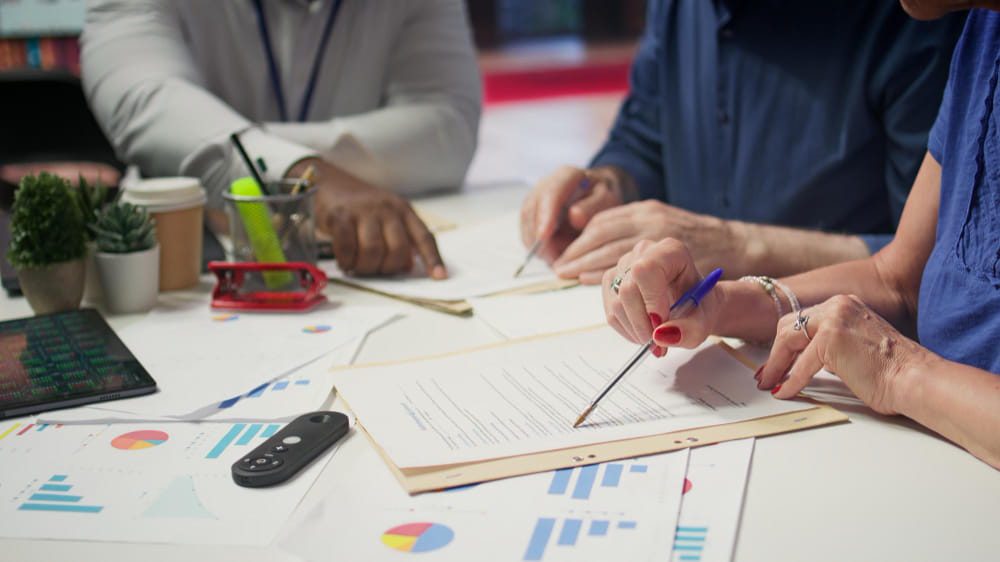
Qualified leads, meetings, quotation requests, potential pipeline value, sales opportunities and closed business provide a much clearer picture of exhibition success.
Some exhibition-generated sales may take several months to convert, particularly in B2B industries, so continue tracking those leads after the event.
You should also review which booth features attracted the most attention, which products generated the strongest interest and which marketing channels brought visitors to your stand.
These insights can help improve your exhibition planning strategy for the next trade show.
Exhibition Trends Businesses Should Consider in 2026
The exhibition industry is continuing to move toward more interactive, sustainable and data-driven experiences.
Immersive exhibition booth design, interactive displays, modular exhibition stands, sustainable exhibition materials, digital lead capture, AI-powered event technology and CRM-integrated exhibition marketing are becoming increasingly relevant for brands looking to improve visitor engagement.
Personalisation is also becoming more important.
Visitors are surrounded by hundreds of brands at major trade shows, so generic marketing messages can easily be ignored. Exhibition stands that provide relevant experiences based on the visitor’s interests are more likely to create meaningful conversations.
At the same time, businesses are becoming more focused on measurable exhibition ROI rather than simply creating the largest or most visually impressive booth.
The most successful exhibition strategies therefore combine creative stand design with technology, lead generation and measurable business outcomes.
Why Professional Exhibition Stand Design Matters
A professionally designed exhibition stand can transform an empty exhibition space into an environment that communicates your brand and supports your marketing objectives.
Experienced exhibition stand designers consider much more than appearance.
They think about visitor movement, visibility from exhibition aisles, product positioning, lighting, meeting requirements, storage, technology integration and how your sales team will actually use the space.
Whether you choose a custom exhibition stand, modular exhibition booth or reusable exhibition stall design, your stand should reflect your brand while supporting conversations and lead generation.
The best exhibition booths are not simply beautiful spaces. They are strategic marketing environments designed to attract the right visitors and help businesses achieve measurable results.
Final Thoughts
Planning a successful exhibition requires a combination of strategy, creativity and careful execution.
Start by understanding exactly what you want to achieve and who you want to meet. Choose the right exhibition, develop a realistic budget and create an exhibition stand design that immediately communicates your value.
Promote your participation before the event, provide visitors with an engaging booth experience and ensure your exhibition staff are prepared to qualify potential customers.
Most importantly, create a clear system for exhibition lead generation and post-event follow-up.
When exhibition planning, booth design, trade show marketing and sales follow-up work together, an exhibition becomes much more than a short-term promotional activity. It becomes an effective platform for building brand awareness, creating business relationships and generating long-term sales opportunities.







Post Comment