Common Exhibition Planning Mistakes: How to Avoid Costly Errors
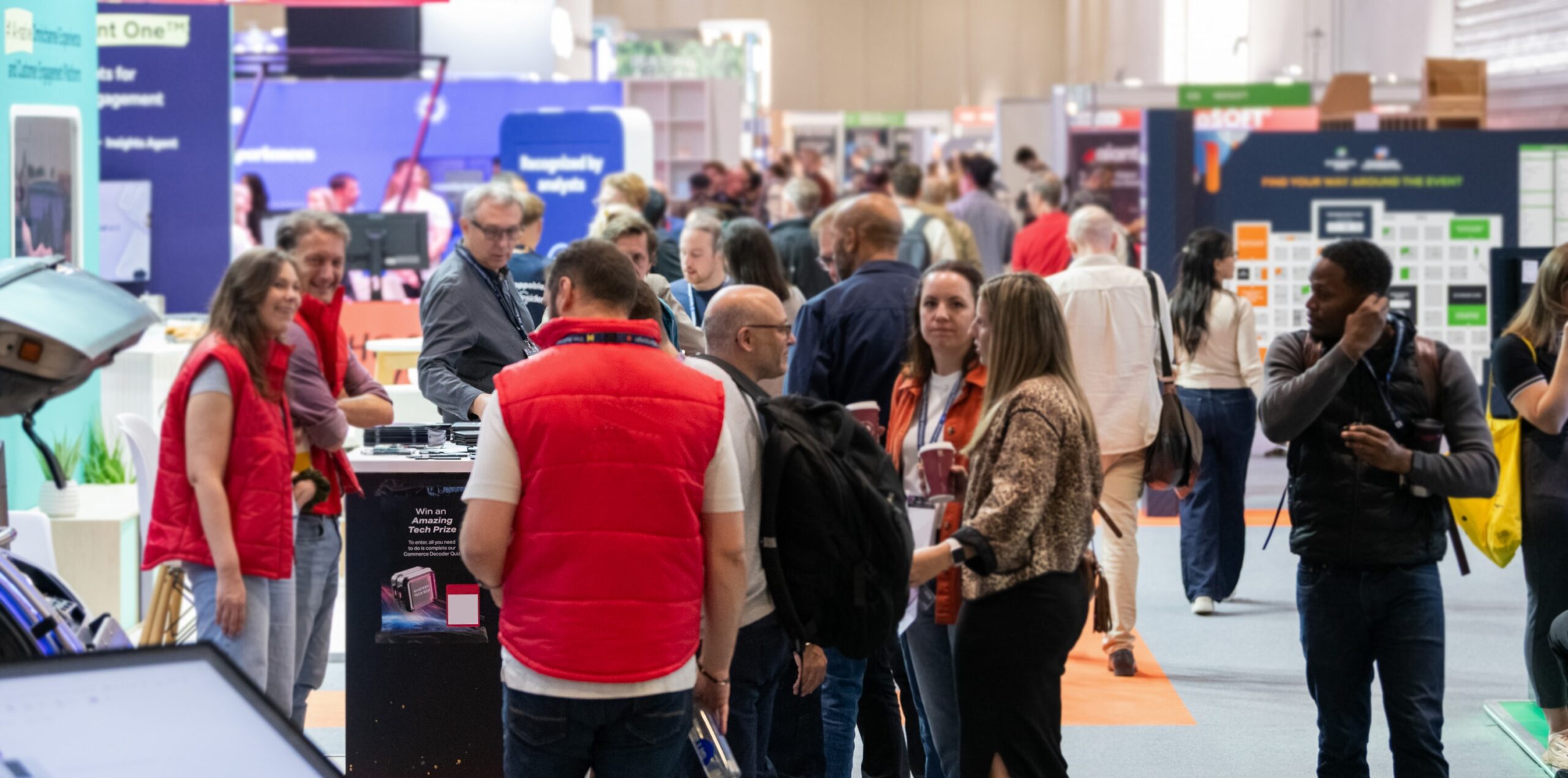
Planning an exhibition can help businesses build brand awareness, showcase products, meet potential customers, and generate valuable sales leads. However, a successful exhibition does not happen by simply booking a booth and displaying products. It requires careful planning, budgeting, marketing, booth design, staff preparation, and post-event follow-up.
Many exhibitors make avoidable mistakes because they start planning too late, set unclear objectives, underestimate costs, or focus more on booth appearance than visitor engagement. These mistakes can reduce the impact of an exhibition and make it difficult to achieve the expected return on investment.
Understanding the common exhibition planning mistakes can help businesses prepare better and make their participation more successful.
Why Exhibition Planning Matters
Exhibiting at a trade show or business expo requires investment in booth space, design, branding, transportation, staffing, marketing, technology, and other services. Without proper planning, these costs can quickly increase.
A well-planned exhibition strategy helps businesses:
- Define clear objectives
- Control the exhibition budget
- Select the right booth space
- Create an engaging visitor experience
- Generate qualified leads
- Promote products and services
- Train exhibition staff
- Measure results after the event
Good planning also gives your team enough time to identify problems before the exhibition begins.
Common Exhibition Planning Mistakes
1. Starting the Planning Process Too Late
One of the most common exhibition planning mistakes is waiting until the last few weeks to start preparing.
Exhibition planning involves several activities, including booth design, graphics, printing, logistics, staff coordination, marketing, product preparation, and vendor management. Last-minute planning can create unnecessary pressure and increase costs.
How to avoid it: Start planning as early as possible. Create a timeline with deadlines for booth design, marketing campaigns, promotional materials, travel, staff training, and logistics.
2. Setting Unclear Exhibition Goals
Some companies participate in exhibitions without defining what they want to achieve. They may want more leads, brand awareness, product demonstrations, distributor partnerships, or direct sales, but they do not establish measurable objectives.
Without clear goals, it becomes difficult to determine whether the exhibition delivered a good return.
How to avoid it: Set specific goals before booking your booth. For example, you could aim to generate a certain number of qualified leads, arrange business meetings, launch a product, or connect with potential distributors.
3. Creating a Poorly Planned Exhibition Budget
An exhibition budget involves much more than booth rental. Companies may also need to consider booth construction, graphics, furniture, lighting, electricity, transportation, accommodation, promotional materials, staff expenses, technology, and marketing.
Ignoring these additional costs can result in budget overruns.
How to avoid it: Prepare an itemised exhibition budget before making major commitments. Keep a contingency amount for unexpected expenses.
4. Choosing the Wrong Booth Size or Location
Booth size and location can influence visitor traffic and brand visibility. Selecting a space without considering the exhibition layout, target audience, nearby exhibitors, entrances, and visitor movement can limit your opportunities.
How to avoid it: Study the exhibition floor plan and understand where your target visitors are likely to move. Choose a booth size that matches your objectives, products, staff, and budget.
5. Ignoring Booth Design and Visitor Experience
A booth should do more than display a company logo. Visitors should immediately understand who you are, what you offer, and why they should interact with your team.
An overcrowded booth, unclear messaging, poor lighting, or complicated product displays can discourage visitors.
How to avoid it: Keep the booth design professional, easy to understand, and aligned with your brand identity. Use clear messaging and create enough open space for meaningful conversations.
6. Focusing Only on Booth Appearance
An attractive booth can grab attention, but appearance alone does not generate business.
Some exhibitors spend heavily on booth design but fail to prepare demonstrations, sales pitches, product information, or visitor engagement activities.
How to avoid it: Treat booth design as one part of the overall exhibition strategy. Combine visual appeal with product demonstrations, knowledgeable staff, interactive experiences, and a clear lead-generation process.
7. Not Training the Exhibition Staff
Your exhibition team represents your brand. If staff members do not know the products, exhibition objectives, target audience, or lead qualification process, valuable opportunities can be missed.
How to avoid it: Conduct staff training before the event. Explain the key products, target customers, talking points, lead qualification questions, and follow-up process.
8. Failing to Promote the Exhibition Before the Event
Many exhibitors wait until the exhibition opens before promoting their participation. This can limit the number of existing customers and prospects who visit the booth.
How to avoid it: Start pre-event marketing several weeks before the exhibition. Use email campaigns, social media, website content, digital advertising, and direct communication with existing customers.
9. Not Having a Lead Generation Strategy
Collecting hundreds of business cards does not automatically mean you have generated valuable leads.
Without a system for recording visitor information and understanding their requirements, your sales team may struggle to prioritise prospects.
How to avoid it: Decide in advance what information your team should collect. Categorise leads according to factors such as product interest, purchase timeline, budget, business requirement, or sales potential.
10. Ignoring Follow-Up After the Exhibition
This is one of the biggest missed opportunities for exhibitors. The relationship with a potential customer should not end when the exhibition closes.
If leads do not receive timely communication, they may lose interest or move to a competitor.
How to avoid it: Create a post-exhibition follow-up plan. Organise leads, send personalised messages, schedule meetings, share product information, and move qualified prospects into the appropriate sales process.
11. Forgetting Logistics and On-Site Requirements
Even a well-designed booth can face problems if logistics are not planned properly.
Transportation, installation, dismantling, electrical requirements, internet connectivity, storage, furniture, permissions, and exhibitor regulations can all affect the event experience.
How to avoid it: Create a detailed logistics checklist and confirm requirements with the exhibition organiser and vendors before the event.
12. Not Measuring Exhibition Performance
An exhibition should be evaluated after it ends. Simply counting visitors to the booth does not provide enough information about business results.
How to avoid it: Track metrics such as:
- Number of leads generated
- Qualified leads
- Business meetings
- Product demonstrations
- Sales opportunities
- New partnerships
- Cost per lead
- Conversion rate
- Overall exhibition ROI
This information can help you make better decisions for future exhibitions.
How to Avoid Exhibition Planning Mistakes
A successful exhibition requires a structured approach. Start by defining your objectives and target audience. Next, create a realistic budget and select the appropriate booth space.
After that, develop your booth concept, prepare marketing materials, train your team, and launch pre-event promotion. During the exhibition, focus on meaningful conversations and lead qualification.
Once the event ends, organise your leads and begin follow-up immediately. Finally, evaluate your results against the objectives you established before the event.
Exhibition Planning Checklist
Before the exhibition, make sure you have considered:
Planning
- Define exhibition objectives
- Identify the target audience
- Set a realistic budget
- Select booth size and location
Booth
- Finalise booth design
- Prepare branding and graphics
- Arrange furniture and lighting
- Plan product displays
- Check electrical and technical requirements
Marketing
- Prepare promotional materials
- Announce exhibition participation
- Contact existing customers
- Promote the booth on social media
- Schedule meetings with prospects
Staff
- Assign exhibition responsibilities
- Train the team
- Prepare product presentations
- Establish lead qualification criteria
After the Exhibition
- Organise collected leads
- Contact prospects
- Schedule follow-up meetings
- Measure results
- Calculate exhibition ROI
Conclusion
Avoiding common exhibition planning mistakes can make a significant difference to your exhibition results. Successful participation requires more than an attractive booth. Businesses need clear objectives, careful budgeting, strategic booth planning, trained staff, effective promotion, strong lead management, and timely follow-up.
By planning early and using a structured exhibition strategy, businesses can create better visitor experiences, generate higher-quality leads, strengthen their brand presence, and achieve a stronger return on their exhibition investment.
FAQs
What are the most common exhibition planning mistakes?
Common mistakes include late planning, unclear objectives, poor budgeting, unsuitable booth selection, weak staff preparation, insufficient promotion, poor lead management, and delayed follow-up.
How early should you start planning an exhibition?
Ideally, exhibition planning should begin several months before the event. The exact timeline depends on the booth size, event requirements, design complexity, and marketing strategy.
How can I reduce exhibition costs?
Start planning early, create a detailed budget, prioritise essential requirements, compare vendor options, and keep a contingency budget for unexpected expenses.
How can I generate more leads at an exhibition?
Use clear booth messaging, product demonstrations, trained staff, interactive experiences, pre-event marketing, and a structured lead-capture process.
Why is post-exhibition follow-up important?
Follow-up converts exhibition conversations into potential business opportunities. Prompt and personalised communication can help move qualified leads further through the sales process.








Post Comment